Cart
0
You may also like
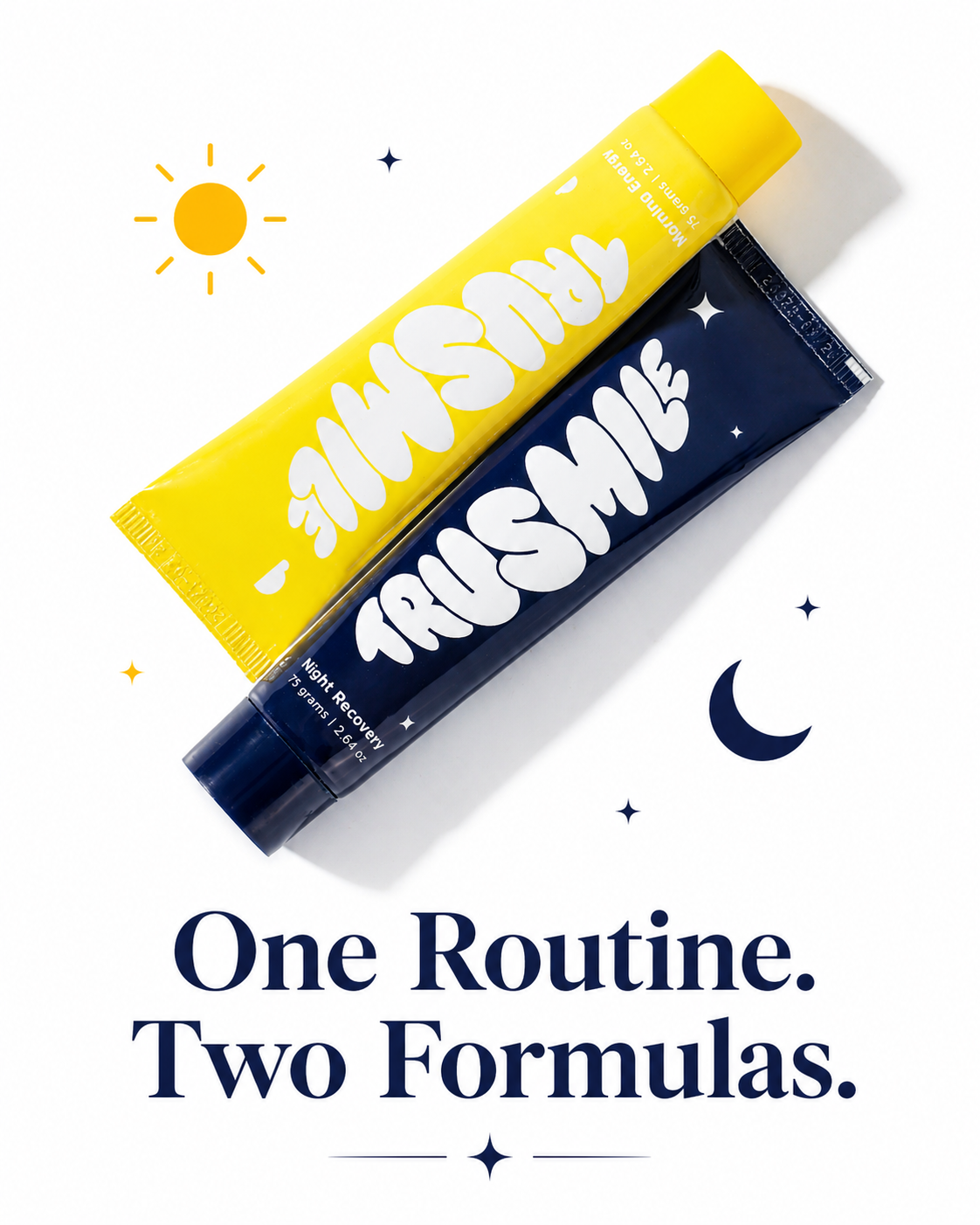
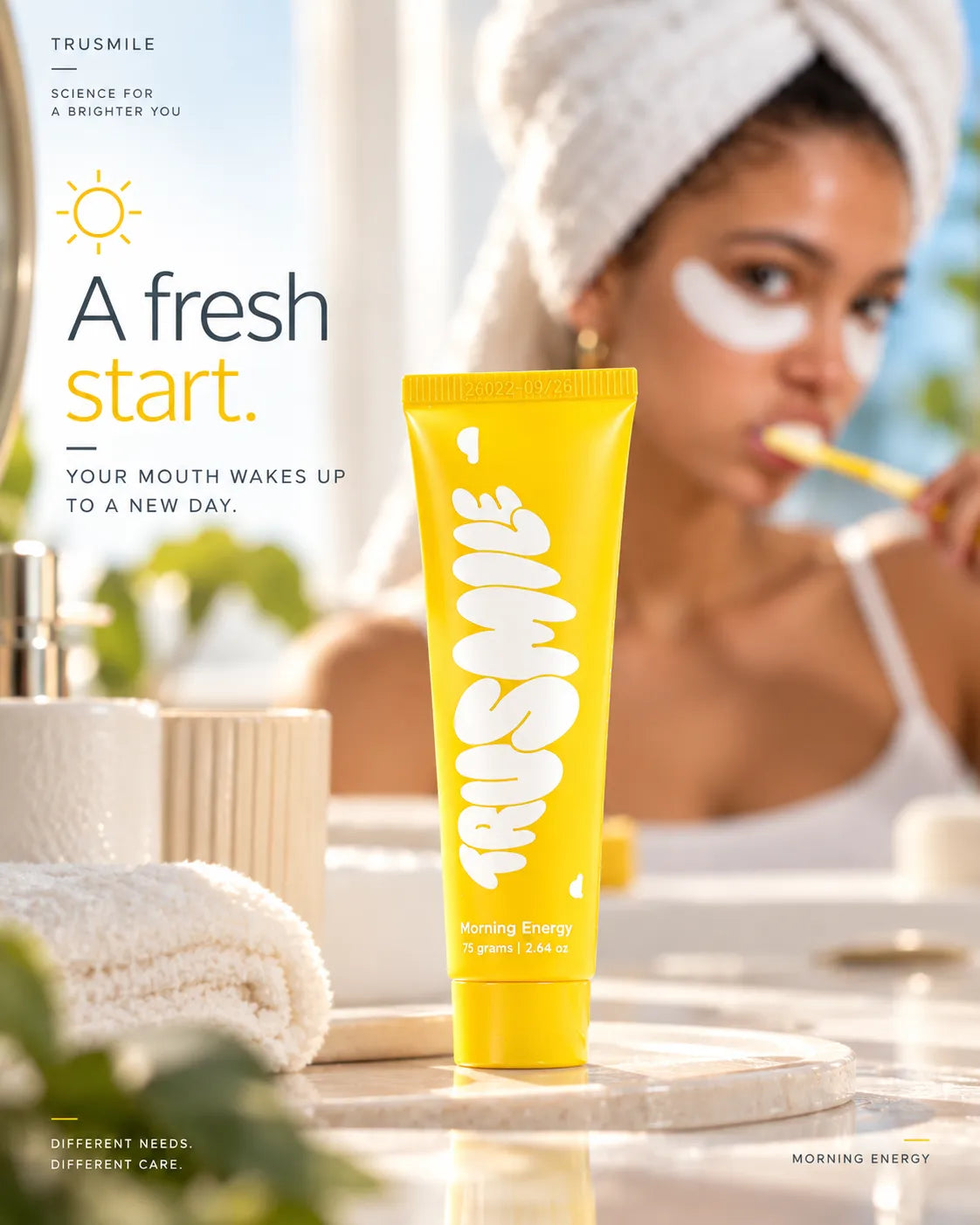
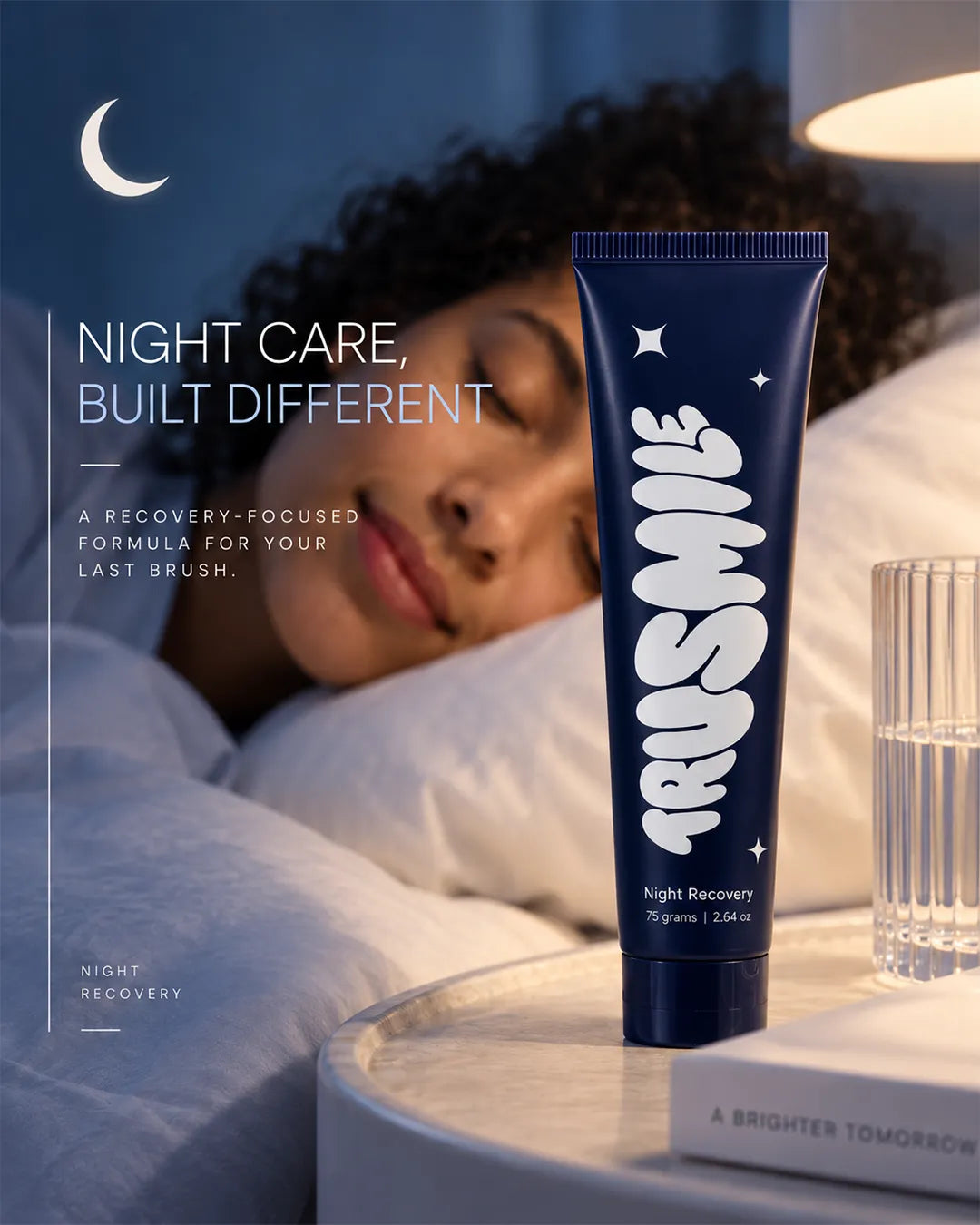


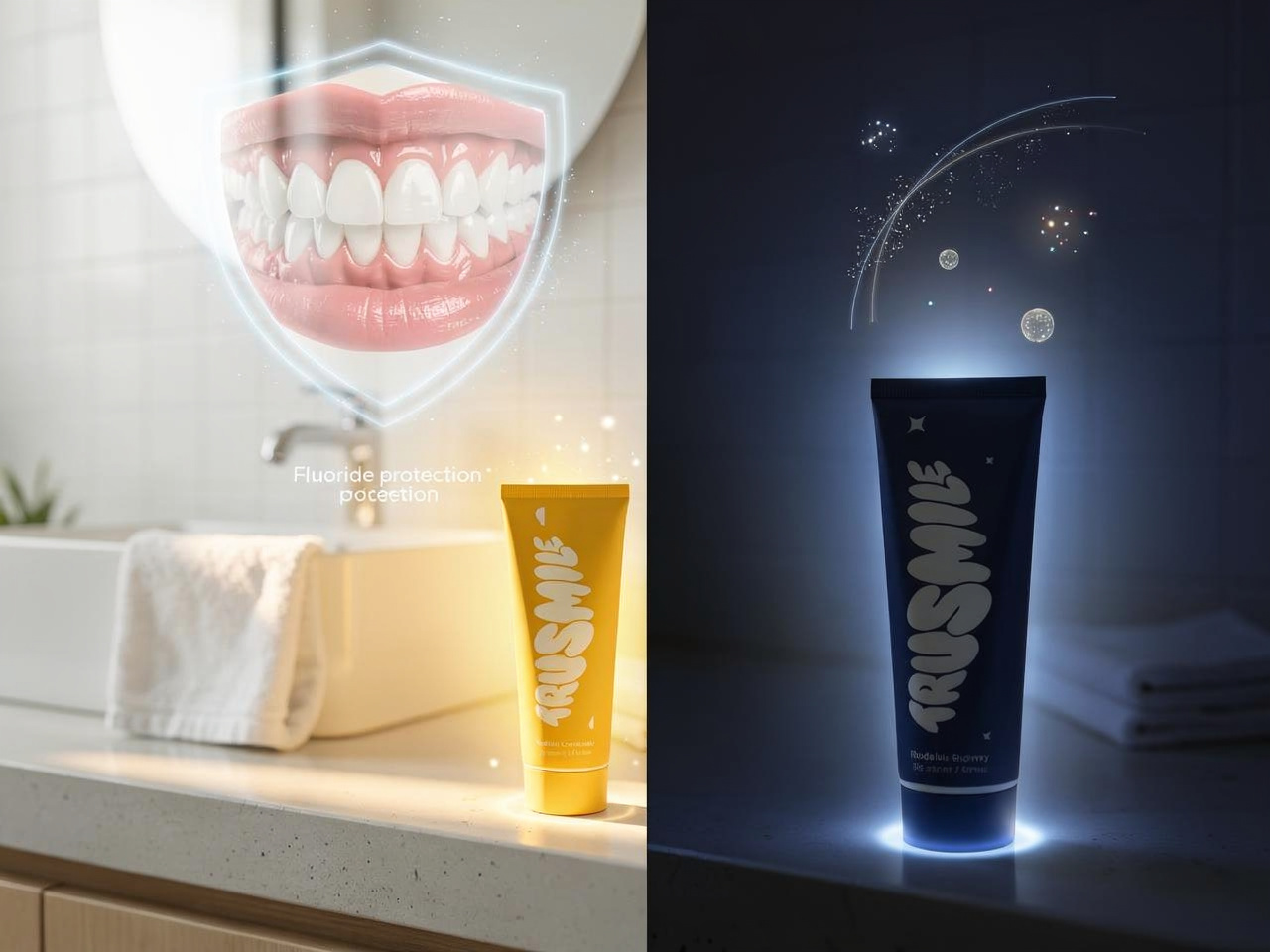
Your oral biology shifts every 12 hours. Daytime requires fluoride-led defense against daily acids, while nighttime necessitates microbiome-friendly recovery using probiotics and bio-available calcium to repair enamel during the "vulnerability gap" of low saliva flow.
The End of "One-Size-Fits-All" Oral Care
For decades, the standard advice has been to use the same toothpaste twice a day. However, as we move through 2026, clinical research into circadian oral biology has revealed a flaw in this approach.
Your mouth is a completely different environment at 8:00 AM than it is at 10:00 PM.
Using a single "total care" formula is like wearing a heavy winter coat in the summer—it provides protection, but not the right protection for the current conditions.
The future of dental health lies in targeted delivery: giving your teeth and gums exactly what they need, exactly when they need it.
Why Timing Matters: The Scientific Mechanism
The most significant driver of oral health is your internal saliva clock. During the day, your salivary glands are highly active, providing a constant stream of enzymes and minerals that act as a natural pH buffering system.
This "wash cycle" helps neutralize the acids from your morning coffee and afternoon snacks.
At night, your body enters a state of nocturnal hyposalivation. Saliva flow drops by nearly 90%, leaving your mouth stagnant and vulnerable.
Without the natural "liquid shield" of saliva, your oral environment becomes increasingly acidic, allowing harmful bacteria to flourish.
This is why "ingredient timing" is not just a preference—it is a physiological necessity.
The 2025 Clinical Insight: The "Restorative Window"
A groundbreaking study published in the Journal of Orofacial Sciences (2025) highlighted that the uptake of remineralizing agents like Calcium Sucrose Phosphate is up to 30% more effective during sleep.
Because there is no interference from eating or drinking, the "stagnant" environment of the night actually provides a superior window for enamel remineralization and microbiome "re-seeding."
Morning: The Defense Phase (The Fluoride Shield)
When you wake up, your mouth is transitioning from a state of overnight stagnation to a day of active "assaults." Every meal, beverage, and snack you consume triggers an acid spike that can demineralize your enamel.
The Role of Fluoride
During the day, fluoride is your most important ally. It works by creating a temporary, acid-resistant layer (fluorapatite) on the surface of your teeth. This is your "daytime armor."
By using a fluoride-led formula in the morning, you are fortifying your enamel against the daily wear and tear of modern life.
Xylitol: The Tactical Support
Trusmile Labs incorporates Xylitol as a fluoride-free alternative that complements the fluoride shield.
Bacteria cannot ferment Xylitol into acid, which means it effectively starves the "bad guys" while the fluoride strengthens the "walls."
Night: The Recovery Phase (Probiotics & Repair)
At night, the goal shifts from "defense" to "restoration." Since your saliva isn't providing minerals or oxygen during sleep, your toothpaste must take over those roles.
Seeding the Microbiome
Instead of a "kill-all" approach that can lead to oral dysbiosis (imbalance), your night routine should be microbiome-friendly.
Introducing specific probiotic strains at night allows these beneficial bacteria to colonize your gums while you sleep, "crowding out" the pathogens responsible for morning breath and gingival inflammation.
Bio-available Calcium: Rebuilding the Foundation
While fluoride hardens the surface, bio-available calcium—specifically in the form of Calcium Sucrose Phosphate—works to rebuild the mineral density of your teeth.
Nighttime is the optimal time for this process because the minerals can remain in contact with your teeth for hours without being washed away by a glass of water or a mid-day snack.
Toofy’s Fact Check
The Myth: "I need to use the strongest fluoride paste twice a day to stop cavities."
The Reality: Excessive fluoride is great for the surface, but your teeth also need minerals and "good" bacteria to stay healthy long-term. Toofy says: "Think of it like a gym—you need protein for repair (Night) and a shield for the game (Day)!"
The Trusmile Labs Ingredient Protocol
To maximize the benefits of ingredient timing, follow these five rules of targeted delivery:
1. Don't "Double Up":
Using a high-fluoride paste at night can sometimes interfere with the colonization of beneficial probiotics. Stick to the recovery-focused formula before bed.
2. The 2-Minute Rule:
Ingredients like bio-available calcium need time to bond with your enamel. Never rush your night brush.
3. The "Spit, Don't Rinse" Ritual:
This is essential for the night phase. By spitting but not rinsing with water, you allow the probiotics and minerals to maintain a "treatment film" on your teeth for 8 hours.
4. Mind the Microbiome:
Avoid harsh, alcohol-based mouthwashes at night. These can kill off the very probiotics you're trying to introduce.
5. Clean the Tongue:
In the morning, use a tongue scraper to remove the "sloughed" bacteria that the probiotics crowded out during the night.
FAQ: Solving the Most Searched Questions
Is it better to use fluoride in the morning or at night?
It is most effective to use fluoride in the morning to provide an active shield against the acids you consume throughout the day. Using a remineralizing, probiotic-led formula at night addresses the specific "vulnerability gap" caused by low saliva flow during sleep.
Can I use two different toothpastes for morning and night?
Yes, and it is highly recommended. Using a dual-formula system (like Trusmile Labs) ensures you aren't overloading your mouth with unnecessary ingredients at the wrong times. It allows for a more efficient and targeted delivery of minerals and probiotics when they are most needed.
What is the benefit of probiotics in toothpaste?
Oral probiotics help maintain a microbiome-friendly environment. Instead of killing all bacteria (including the good ones), probiotics introduce beneficial strains that fight off the bacteria responsible for gum disease and bad breath, especially during the long "stagnant" hours of sleep.
Does calcium sucrose phosphate actually rebuild enamel?
Yes. Calcium Sucrose Phosphate is a highly soluble source of bio-available calcium and phosphate. Studies have shown it to be effective in increasing the microhardness of enamel and helping to arrest early-stage demineralization (white spot lesions) better than traditional pastes alone.
Experience the Future of Oral Health
Your teeth don't sleep, but they do recover. Stop treating your morning and night routines as the same task.
Trusmile Labs’ circadian system is built on the science of timing, ensuring you have the defense you need by day and the recovery you deserve by night.