Cart
0
You may also like
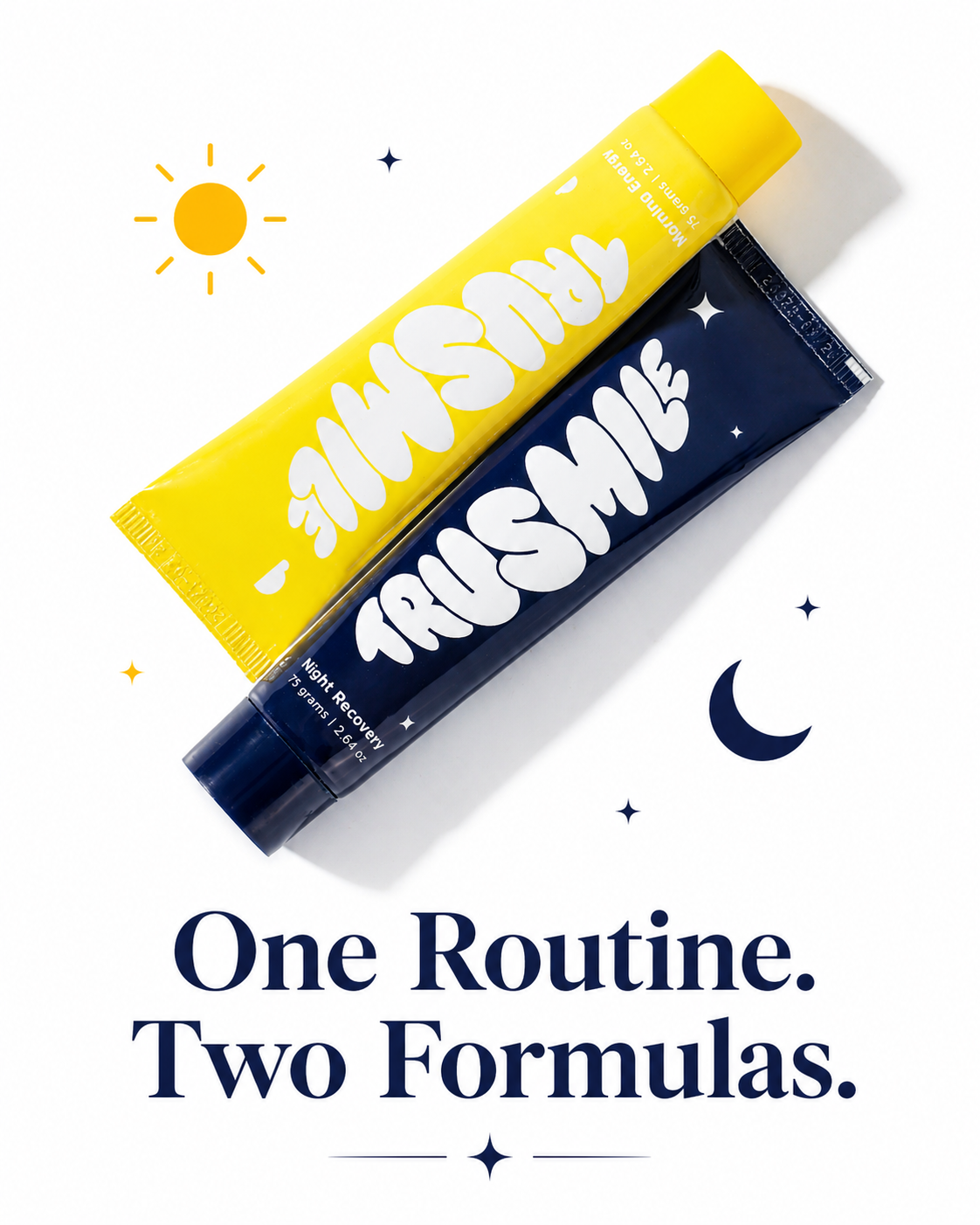



Sleep triggers a 90% drop in salivary flow, creating an "8-hour vulnerability gap" where acid-producing bacteria thrive. Understanding this circadian rhythm shift is the key to preventing cavities through targeted overnight enamel remineralization and pH buffering.
The Invisible Shift: Your Mouth’s Midnight Transformation
We often view sleep as a period of total rest, but for your oral microbiome, the night is the most active "battleground" of the day. While your brain is busy processing memories and your muscles are repairing, your mouth undergoes a dramatic, and often dangerous, biological shift.
The most significant change is the near-total shutdown of your mouth’s natural defense system. In clinical terms, this is known as nocturnal hyposalivation.
During the day, you produce roughly 0.3 to 0.4 ml of saliva per minute. During sleep, that number plummets to less than 0.1 ml. This isn't just a minor inconvenience—it is a fundamental breakdown of the environment that keeps your teeth alive.
Why This Matters
Saliva is the "liquid gold" of oral health. It performs three critical functions that stop cavities in their tracks:
When your salivary flow drops at night, your mouth's pH levels crash.
According to a landmark 2026 report on the "Xerostomia Pandemic," reduced salivary flow has become a modern crisis due to increased mouth breathing, stress-mediated cortisol, and common medications (like sleep aids or GLP-1 therapies).
Without enough saliva to buffer the acids produced by bacteria like Streptococcus mutans, your teeth enter a state of prolonged demineralization.
This 8-hour window is when the majority of tooth decay actually occurs, even if you brushed perfectly before bed.
The Decay Cycle: From Dry Mouth to Cavities
When your mouth dries out, the "bad" bacteria don't go to sleep—they feast. In a dry environment, your oral microbiome becomes increasingly acidic. This acidity acts like a solvent, slowly dissolving the mineral bonds that make your enamel the hardest substance in your body.
1. The Acid Spike
Residual food particles or microscopic sugars are fermented by bacteria, dropping the pH level below the "critical threshold" of 5.5. At this level, the environment is acidic enough to physically melt hydroxyapatite crystals.
2. The Mineral Drain
In a process called demineralization, calcium and phosphate ions are pulled out of the enamel. During the day, saliva would immediately rush in to replace these minerals. At night, that supply line is cut off.
3. The Defense Failure
Because you aren't swallowing or producing saliva, the stagnant acid remains in contact with your teeth for hours. This is why "morning breath" is often accompanied by a fuzzy or "sour" feeling—it’s the physical sensation of an acidic environment.
The Circadian Difference: Day vs. Night Oral Environments
Understanding the difference between your "Day Mouth" and "Night Mouth" is essential for choosing the right care.
In 2025, researchers at the SLEEP Annual Meeting highlighted that oral microbiome diversity is directly linked to sleep health, proving that a "balanced" mouth leads to better rest.
Closing the Gap: The Night Recovery Strategy
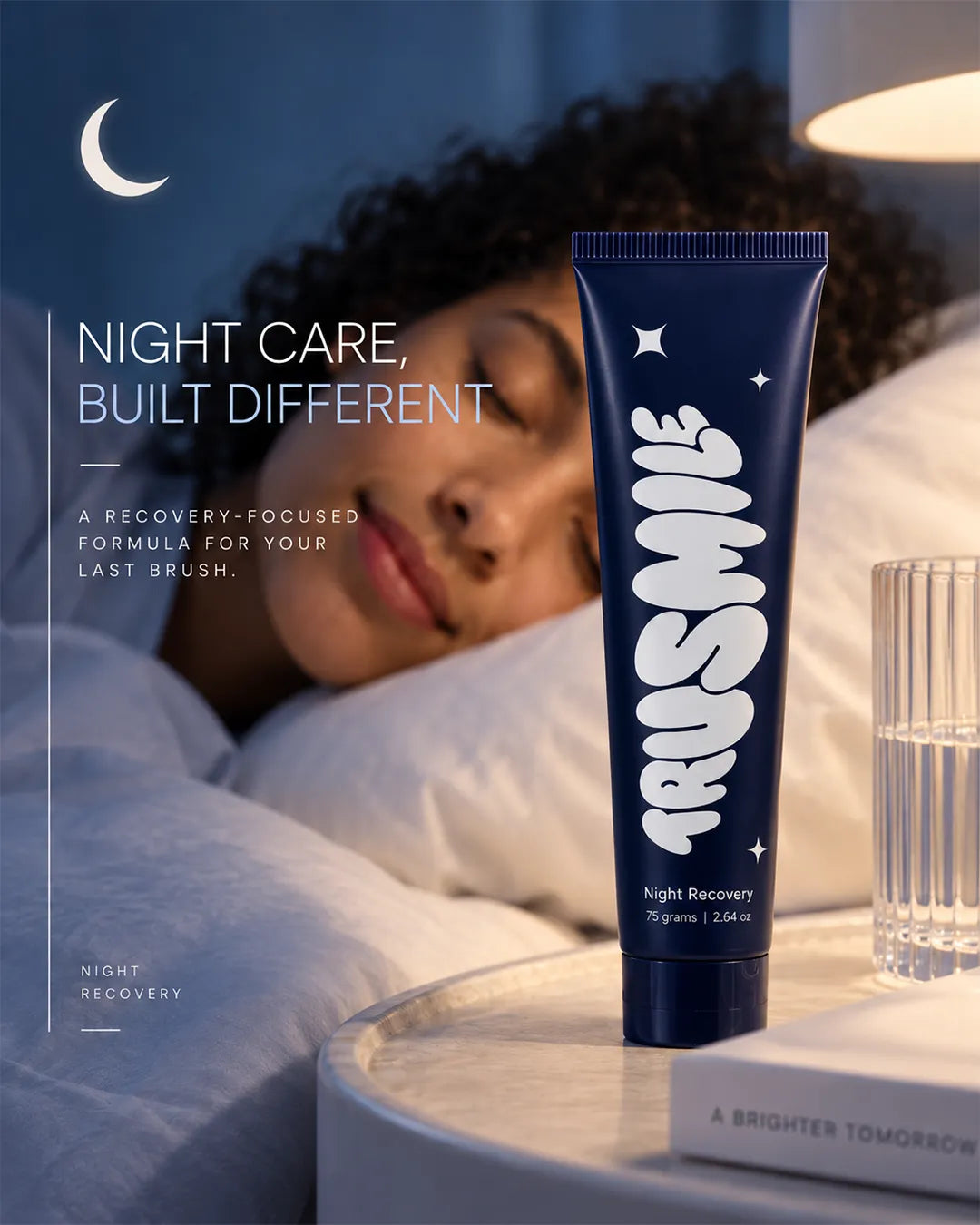
Standard toothpastes are often too abrasive for the delicate nighttime environment. To truly close the 8-hour vulnerability gap, you need a strategy focused on bio-available calcium and probiotic support.
1. Optimize Your pH Buffering
Since you lack the natural buffering capacity of saliva, your nighttime oral care must provide an external buffer. Using a paste that stabilizes pH levels helps keep your enamel above the 5.5 decalcification zone for the duration of your sleep.
2. Prioritize Enamel Remineralization
Night is the optimal time for enamel remineralization. Without the interference of eating or drinking, specialized ingredients like Calcium Sucrose Phosphate can sit on the tooth surface, "feeding" the enamel the minerals it lost during the day.
3. Support the "Good" Bacteria
Instead of trying to "kill 99.9% of bacteria"—which can lead to oral dysbiosis—modern oral care focuses on seeding the mouth with probiotics. This helps maintain a healthy microbiome that naturally resists the acid-producing invaders that thrive in dry environments.
Toofy’s Fact Check
The Myth: "My mouth is dry because I'm thirsty."
The Reality: While hydration helps, nocturnal dry mouth is often a result of your circadian rhythm or mouth breathing. Drinking water provides temporary relief, but it doesn't replace the mineral-rich proteins found in real saliva. You need a dedicated recovery formula to act as a "liquid shield" while you dream!
The Trusmile Checklist for Overnight Protection
To ensure you aren't feeding cavities while you sleep, follow this expert-verified night protocol:
FAQ: Common Questions About Sleep and Cavities
Why do I get cavities even though I brush and floss?
Even with great hygiene, the 8-hour vulnerability gap can cause decay. If your nighttime routine doesn't account for the drop in salivary flow, your teeth may be demineralizing for hours while you sleep, regardless of how "clean" they were at 10 PM.
Does dry mouth cause tooth decay?
Yes. Saliva is responsible for acid neutralization and enamel remineralization. Without it, the mouth stays acidic, allowing bacteria to strip minerals from your teeth, which eventually leads to structural cavities.
How can I stop my teeth from decaying at night?
To stop nighttime decay, use a toothpaste specifically engineered for Night Recovery. Look for ingredients that provide pH buffering and bio-available calcium, and avoid rinsing with water after your final brush of the day.
Why is my mouth so dry when I wake up?
It is natural for salivary flow to decrease during sleep due to your circadian rhythm. However, excessive dryness (Xerostomia) is often exacerbated by mouth breathing, stress, or medications, making your teeth more susceptible to acid damage.
Master the Night with Trusmile Labs
Don't leave your smile unprotected during the most vulnerable hours of the day. Our Night Recovery system is purpose-built to bridge the 8-hour gap, providing the remineralization and microbiome support your mouth can't provide on its own.