Cart
0
You may also like
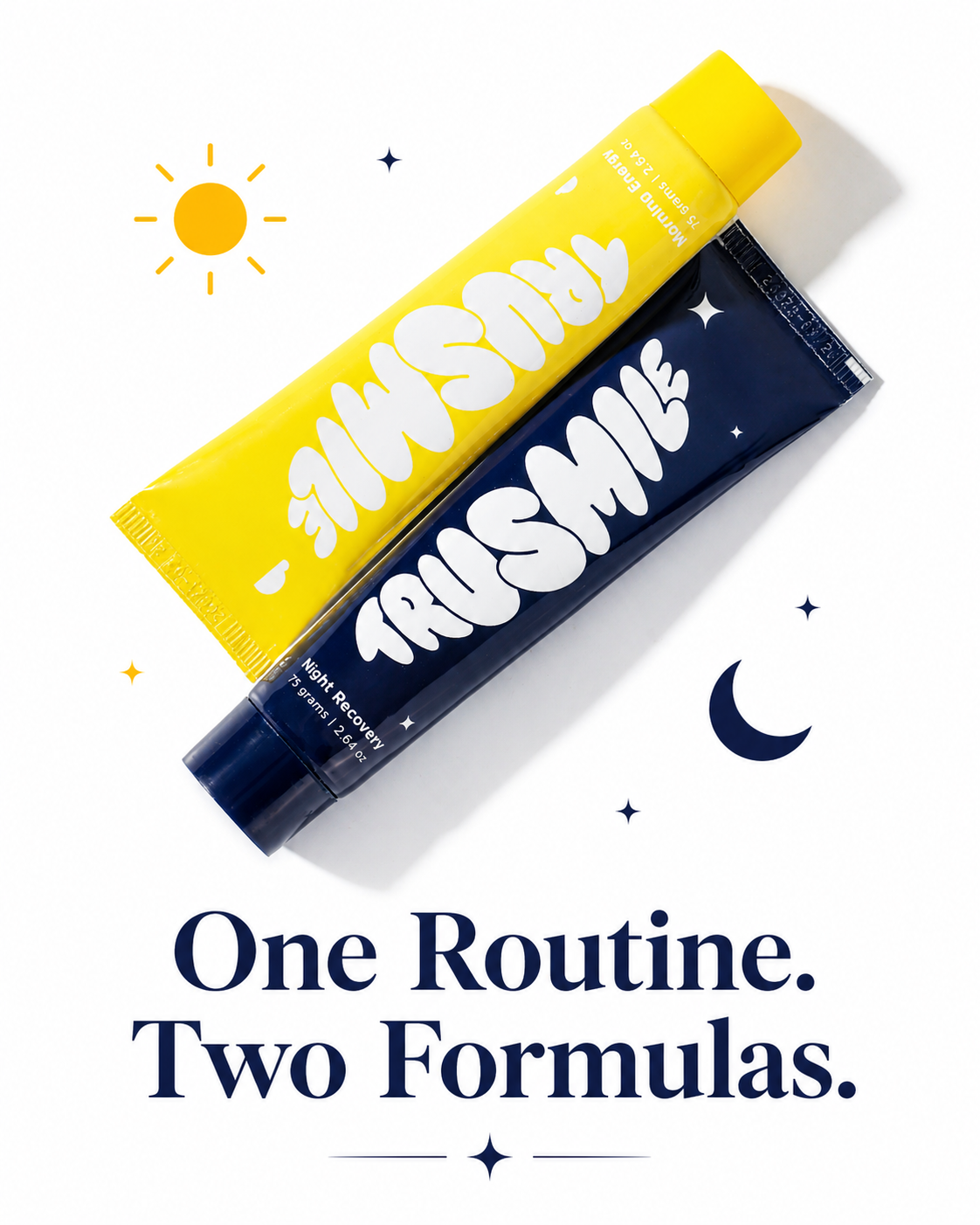
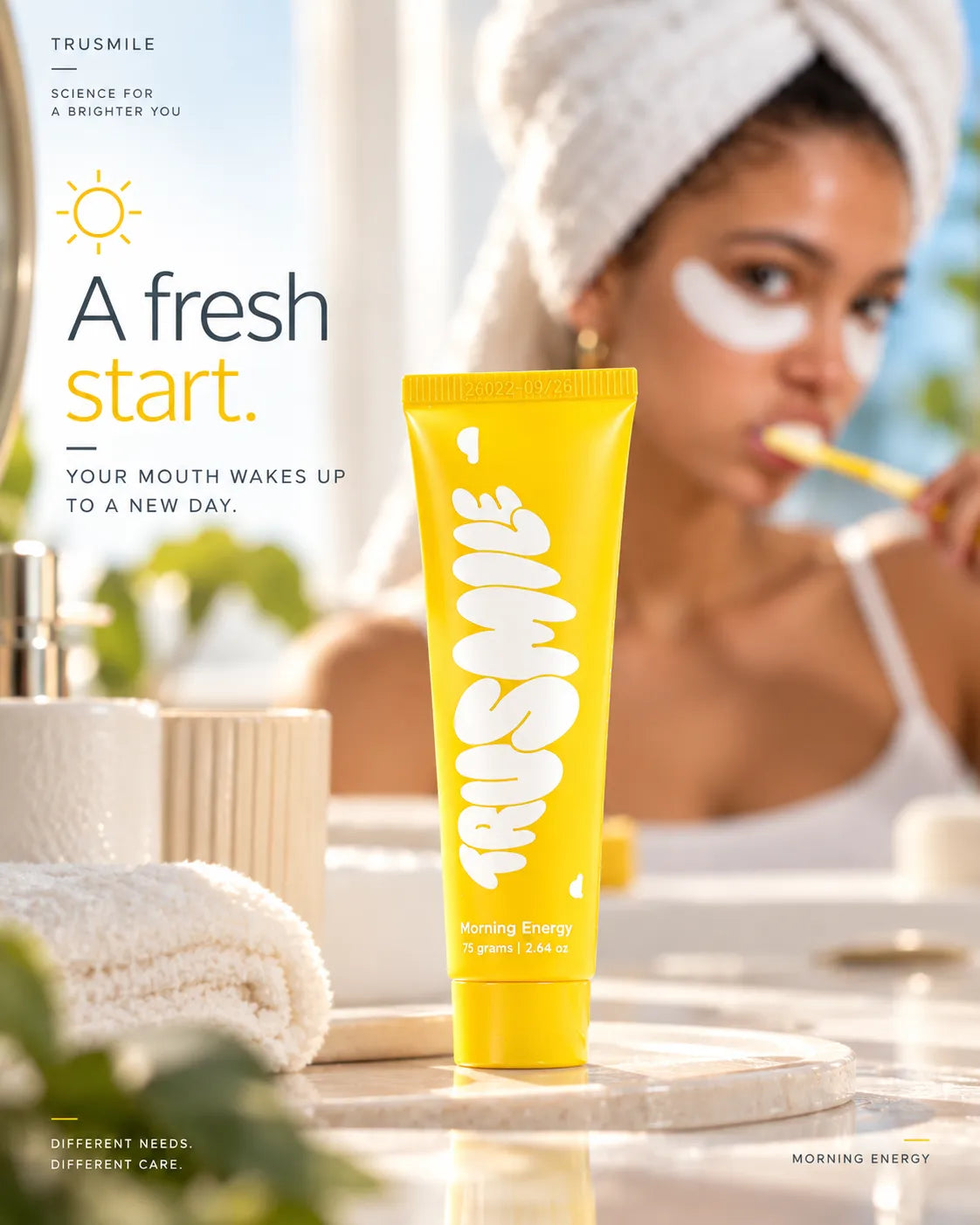
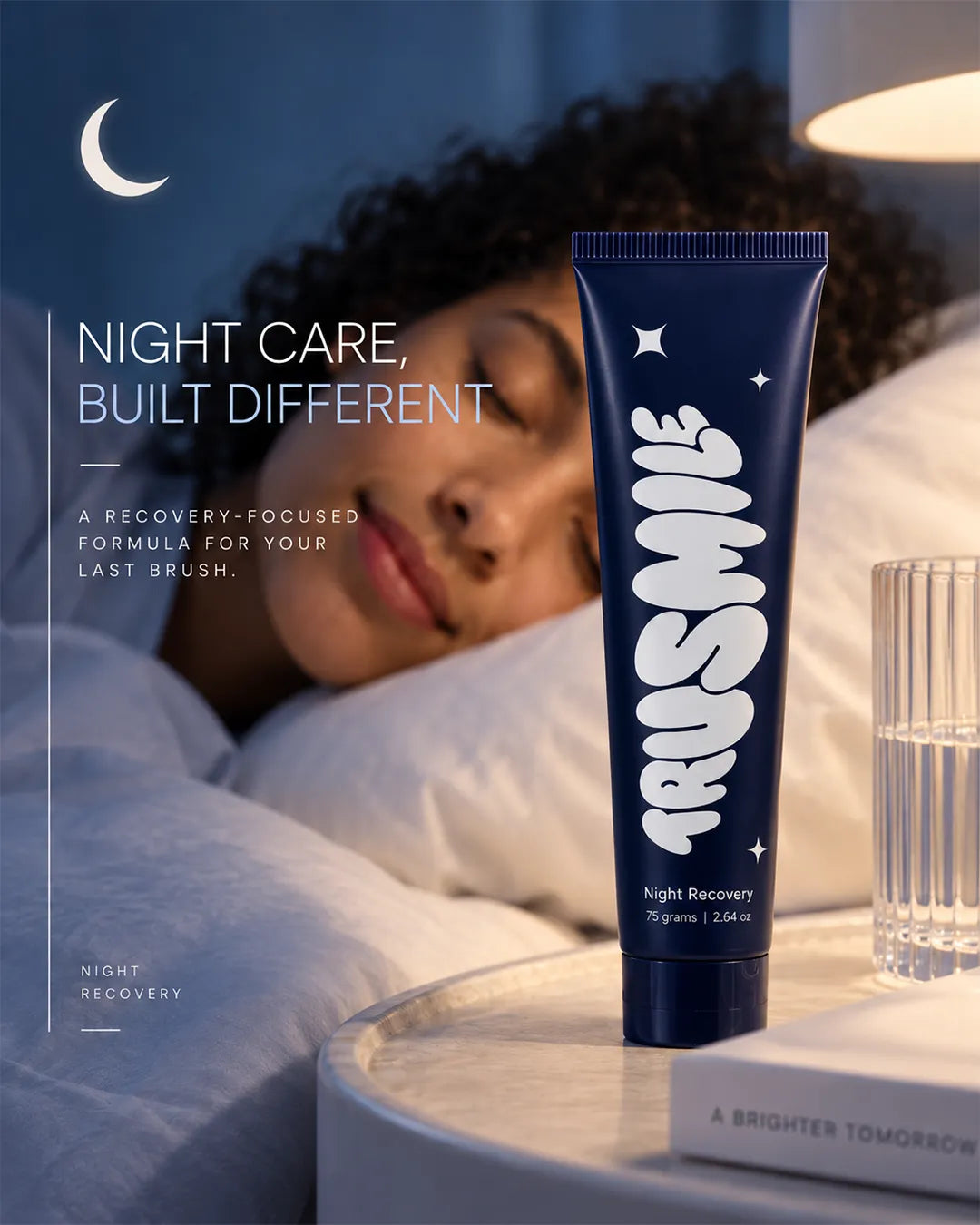



No. Brushing harder does not mean cleaner teeth. In fact, aggressive brushing causes enamel abrasion, gum recession, and dentin exposure. A gentle, thorough technique is the only evidence-based oral care method that effectively removes plaque without damaging your smile.
Why This Matters: The Science of "Mechanical Overdose"
Most people assume that scrubbing harder is the most efficient way to remove stubborn plaque. However, your teeth are not a dirty kitchen floor; they are biological structures protected by a thin, non-renewable layer of enamel.
When you apply excessive force, you aren't just cleaning—you are performing a process known as enamel abrasion.
According to a 2025 study published in the Journal of Pioneering Medical Sciences, improper brushing force is the leading cause of "Non-Carious Cervical Lesions" (NCCLs).
The study highlighted a fascinating clinical insight: right-handed individuals often suffer the most damage on their mandibular right second premolars because they subconsciously apply the most leverage to that specific area.
When enamel wears thin, it leads to dentin exposure. Dentin contains microscopic tubules that lead directly to the tooth’s nerve. When these tubules are exposed to air, heat, or cold, it triggers sharp, stabbing tooth sensitivity.
By understanding the physics of brushing, you can protect your periodontal health before irreversible damage occurs.
Toofy’s Myth vs. Reality: The Ultimate Fact Check
Our mascot, Toofy, is here to set the record straight on the most common dental myths floating around the internet in 2026. Let's look at the "Evidence-Based" truth.
Myth 1: Brushing harder is the fastest way to get a clean smile.
Myth 2: "White teeth" are the only sign of a healthy mouth.
A healthy mouth is defined by a balanced oral microbiome and pink, non-bleeding gums—not just the shade of the enamel.
Myth 3: Sugar is the only cause of cavities.
Furthermore, factors like circadian rhythm and salivary flow play a huge role. If your mouth is dry at night, even a small amount of residual carbohydrate can lead to a cavity.
Myth 4: You don’t need to floss if you use a high-end electric brush.
Brushing only cleans about 60% of your tooth's surface area. Without flossing, the "hidden" 40% remains a breeding ground for plaque and oral dysbiosis.
How to Brush Like a Pro: The Trusmile Protocol
If you’ve been a "hard brusher" in the past, it’s time to retrain your muscles. Follow these steps to ensure you’re providing evidence-based oral care:
FAQ: Solving the "People Also Ask"
What are the signs that I'm brushing my teeth too hard?
Common signs include frayed or flattened toothbrush bristles within just a few weeks of use, receding gums (teeth looking "longer"), and a sharp zing of tooth sensitivity when eating cold foods.
You might also notice wedge-shaped notches near the gum line, which are signs of enamel abrasion.
Does brushing harder actually clean better?
No. Brushing harder does not remove more plaque than a gentle, thorough technique. Plaque is a soft biofilm that can be removed with light pressure.
Brushing too hard only increases the risk of permanent damage to your enamel and gums.
How can I fix enamel damage from overbrushing?
Once enamel is lost, it cannot grow back. However, you can manage the damage.
Using a toothpaste rich in bio-available calcium and phosphates can help strengthen the remaining enamel. For severe dentin exposure, a dentist may recommend bonding, fluoride varnishes, or veneers to cover the sensitive areas.
Is an electric toothbrush better for people who brush too hard?
Yes, many modern electric toothbrushes have built-in pressure sensors that flash red or slow down the motor if you press too hard.
This provides real-time feedback to help you transition to a safer, more effective brushing technique.
Don't Let Myths Ruin Your Smile
At Trusmile Labs, we believe that the best oral care is rooted in science, not force.
Our circadian-synced products are designed to support your mouth's natural defenses and repair mechanisms without the need for aggressive scrubbing.