Cart
0
You may also like
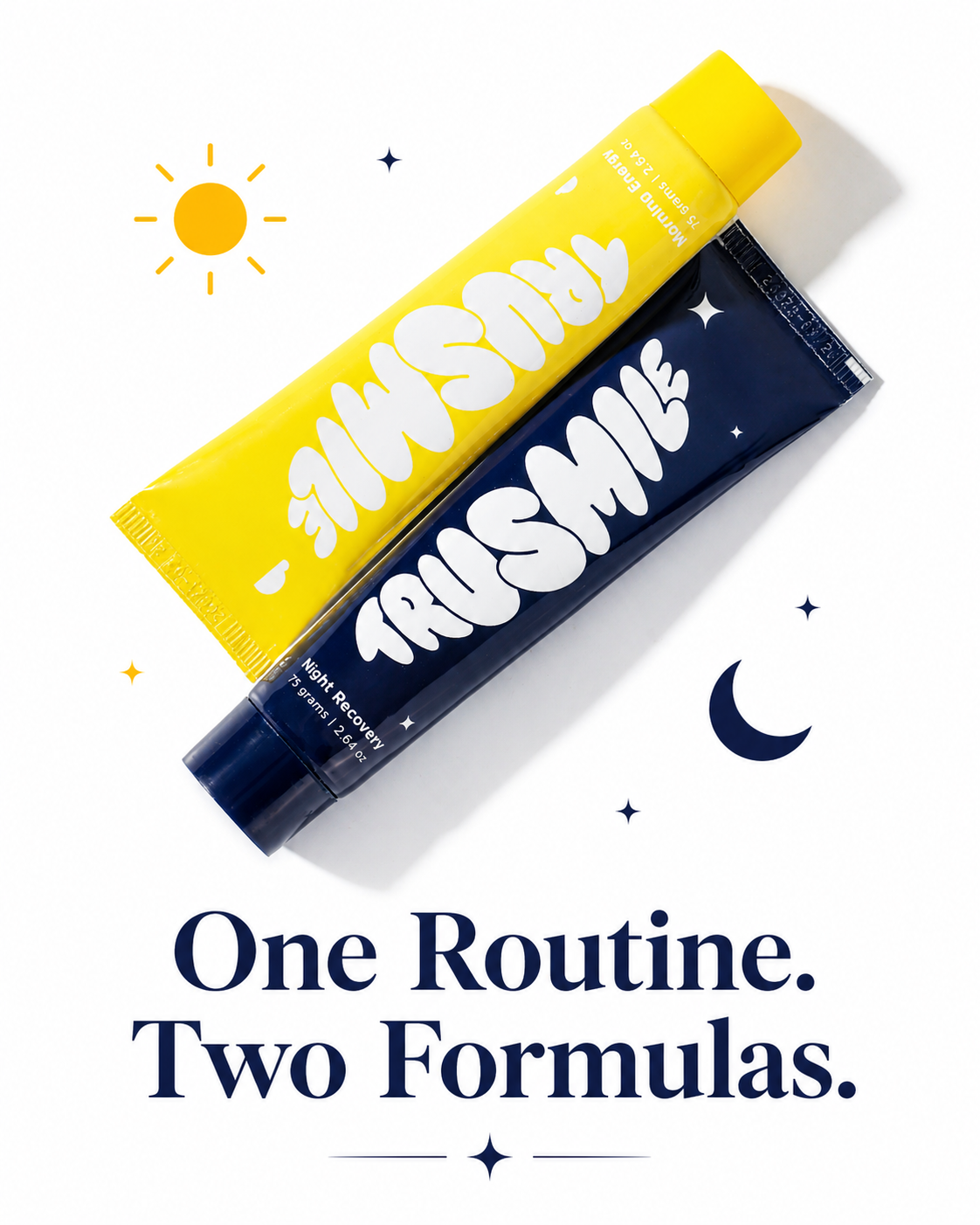

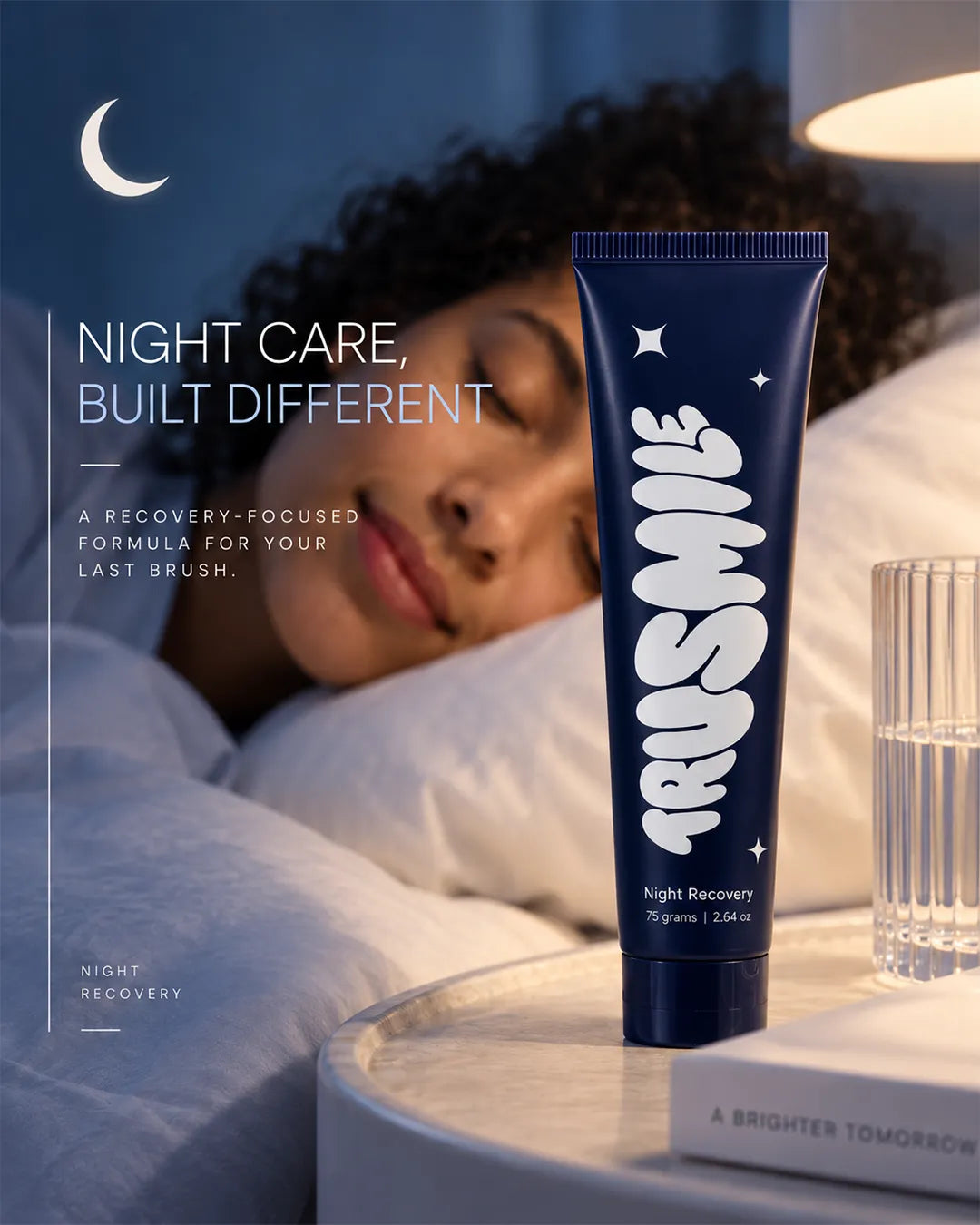



Most people brush once a day and believe they’re doing “enough.”
From a dental and biological standpoint, they aren’t.
Brushing twice a day—once in the morning and once at night—is not a marketing recommendation or a cosmetic habit. It’s a foundational oral-health requirement, backed by how bacteria, saliva, and enamel behave over a 24-hour cycle.
Let’s break it down.
Your Mouth Works 24×7 — Not Once a Day ⏱️
Your oral environment is constantly changing:
One brushing cycle cannot protect you through both active daytime exposure and night-time vulnerability.
That’s why dentists insist on two distinct brushing moments, not one.
Why Morning Brushing Matters 🌞
1. Overnight Bacterial Build-Up
While you sleep, saliva production drops significantly. Saliva is your mouth’s natural defence—it washes away bacteria and neutralises acids.
Low saliva + hours of inactivity = bacterial growth overnight.
That’s why you wake up with:
Morning brushing removes this bacterial load before you eat or drink.
2. Prepares Your Mouth for the Day
Morning brushing:
Skipping morning brushing means you’re starting the day on top of bacteria.
Why Night Brushing Is Even More Important 🌙
If someone had to choose only one brushing session (not recommended), night brushing would matter more.
1. Food Residue Feeds Bacteria All Night
Throughout the day, food particles lodge between teeth and along the gumline. If left uncleaned before sleep:
Night brushing breaks this chain before it becomes damage.
2. Saliva Drops Sharply During Sleep
At night:
This makes sleep time the highest-risk window for cavities and gum issues.
Brushing at night isn’t optional—it’s protective.
Enamel Repair Happens When You Sleep 🧬
Your teeth are constantly going through two processes:
During the day, acid attacks dominate.
At night, your body tries to repair.
A proper night brushing routine:
Skipping night brushing robs your teeth of their recovery window.
What Happens If You Brush Only Once a Day?
People who brush once daily often experience:
These problems don’t show up overnight—but they compound quietly.
Twice-a-Day Brushing = Prevention, Not Damage Control
Brushing twice daily:
It’s one of the highest-return habits in preventive healthcare.
The Ideal Twice-a-Day Brushing Routine ✔️
Morning
Night
Consistency matters more than pressure or speed.
Final Thought: Oral Care Is About Timing, Not Effort
Brushing twice a day isn’t about brushing more.
It’s about brushing at the right times.
🌞 Morning prepares your mouth for the day.
🌙 Night protects it while it heals.
That’s why oral care—done right—has always been twice a day.
