Cart
0
You may also like
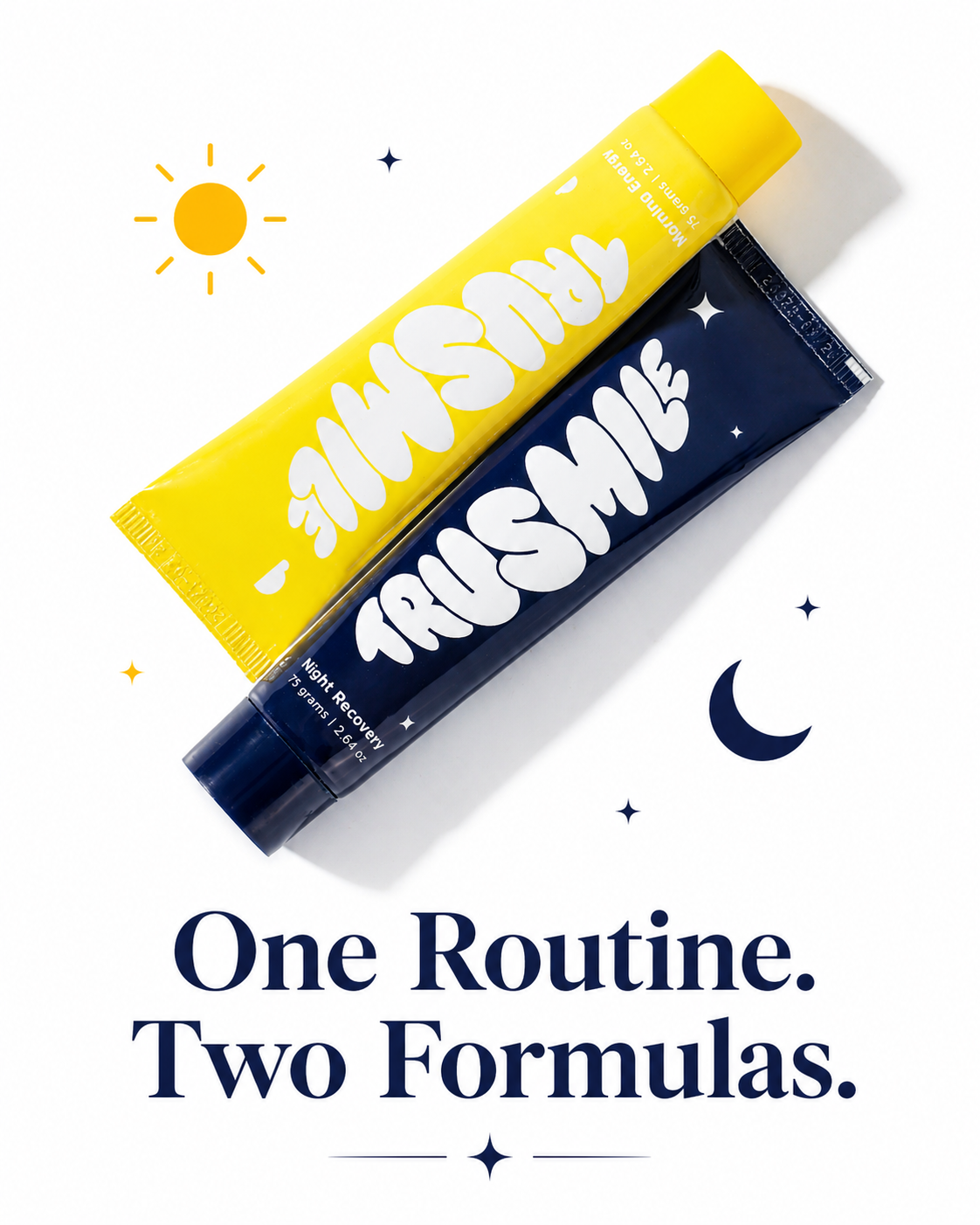





Your oral biology follows a strict 24-hour clock. While morning brushing focuses on active defense against daily acids and sugars, your night routine must prioritize recovery and remineralization to counter the "vulnerability gap" caused by low saliva flow during sleep.
The Biological Clock Under Your Nose
For decades, dental advice was one-size-fits-all: brush twice a day for two minutes.
But as we move into 2026, the science of Circadian Oral Care has revolutionized
how we view hygiene. Your mouth isn't a static environment; it is a dynamic
ecosystem that shifts its chemical and biological makeup based on the time of day.
The most significant driver of this shift is your circadian rhythm. Just as your brain
prepares for sleep by releasing melatonin, your salivary glands prepare for rest by
slowing down production. This transition creates two distinct phases of oral care: the
Defense Phase (Day) and the Recovery Phase (Night).
Step 1: The Morning Defense Phase
When you wake up, your mouth is often in a state of "stagnation." Bacteria have had
eight hours to colonize in a low-oxygen environment, leading to the production of
Volatile Sulfur Compounds (VSCs)—the technical term for morning breath.
The Goal: Neutralize and Shield
In the morning, your brushing technique should be focused on mechanical biofilm
disruption and pH buffering. You are preparing your teeth for the upcoming "acid
attacks" from coffee, breakfast, and mid-day snacks.
Why This Matters: The "Vulnerability Gap"
To understand why your night routine needs to be different, we have to look at
Nocturnal Hyposalivation. During the day, you swallow roughly once per minute,
constantly bathing your teeth in mineral-rich saliva that neutralizes acid.
At night, your swallow rate drops to almost zero, and saliva production plummets by up to 90%.
Toofy’s Fact Check:
The Myth: "I brushed this morning, so I can skip tonight if I'm tired."
The Reality: Skipping your night brush is twice as damaging as skipping your
morning brush. Without saliva to buffer acids, a single food particle trapped between
teeth can cause more enamel demineralization in eight hours of sleep than it would
in 24 hours of wakefulness!
Step 2: The Night Recovery Phase
The evening is when your body goes into "repair mode." Your skin cells regenerate,
your brain flushes toxins, and your teeth attempt to remineralize.
The Goal: Re-Seed and Rebuild
Your night technique should move away from aggressive cleaning and toward targeted treatment.
5 Expert Tips for a Synced Routine
1. Tongue Scraping is for Mornings: Most VSCs live on the back of the
tongue. Use a copper or stainless steel scraper first thing in the morning to
reduce the bacterial load before your first sip of water.
2. Floss Before the Night Brush: Flossing before you brush opens up the
"interproximal" spaces (the gaps between teeth), allowing your specialized
night formula to actually reach the areas where 90% of cavities start.
3. Mind the Temperature: Brushing with lukewarm water is often more
comfortable for sensitive teeth, but the timing of the brush is far more
important than the temperature of the water.
4. The 2-Minute Minimum: Use a timer. Most people think they brush for two
minutes but actually average only 45 seconds. Your enamel needs that
contact time to absorb minerals.
5. Clean Your Tools: Rinse your brush thoroughly and store it upright in an
open area. A damp brush in a closed cabinet is a breeding ground for the very
bacteria you're trying to remove.
